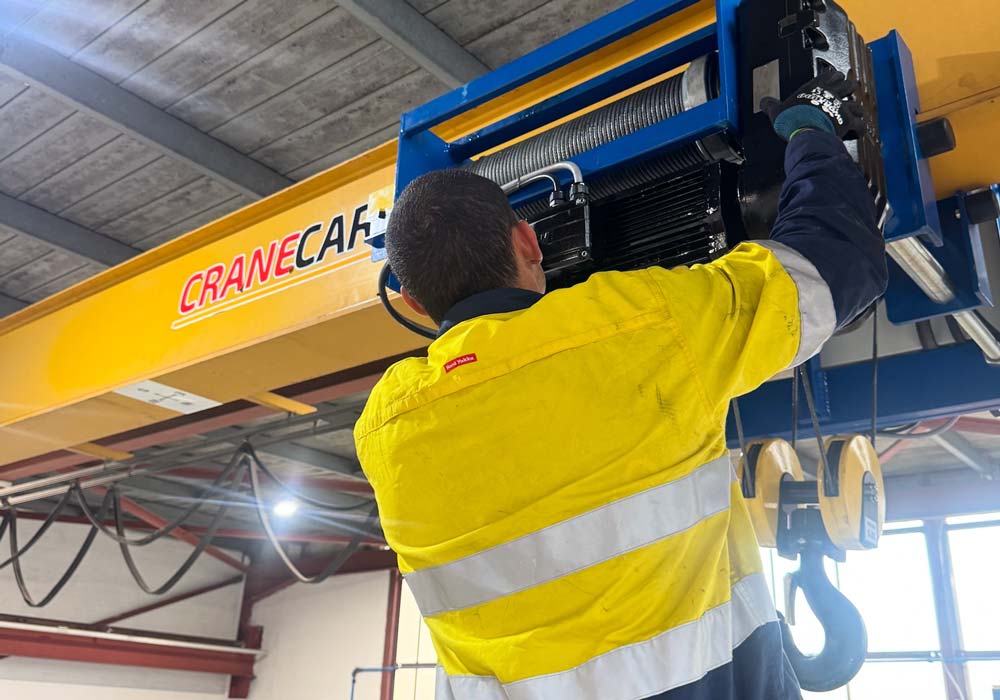
Industrial cranes are designed to lift heavy loads safely and efficiently, but like any piece of mechanical equipment, they deteriorate through regular use. Components wear, electrical systems age and structural fatigue can develop over time. This is why crane inspections in Sydney are more than routine maintenance, they are a critical part of managing workplace risk, protecting employees and ensuring lifting equipment remains fit for purpose.
For businesses operating in manufacturing, construction, warehousing, transport and other industrial sectors, understanding why inspections matter can help prevent incidents, reduce downtime and support compliance with Australian work health and safety legislation.
What does the law say about crane inspections?
In New South Wales, businesses have legal responsibilities under the Work Health and Safety Act 2011 and the Work Health and Safety Regulation 2017 to ensure that plant, including cranes, is maintained in a safe condition and does not expose workers or others to health and safety risks.
The legislation places these responsibilities on the Person Conducting a Business or Undertaking (PCBU). This means employers cannot simply react when equipment fails. They are expected to implement systems that identify hazards before they become safety incidents.
Safe Work Australia also states that inspections, maintenance and testing should be carried out by a competent person, following the manufacturer’s recommendations or recognised engineering principles where manufacturer information is unavailable.
Regular inspections are about risk management, not just compliance
Many businesses associate crane inspections with meeting legislative requirements, but their greatest value is often preventing unexpected failures.
A professional inspection can identify developing problems long before they become obvious during normal operation. These may include:
- fatigue cracks developing within structural members
- excessive wear on wire ropes or chains
- damaged hooks and lifting attachments
- brake deterioration
- worn wheels or end carriages
- electrical faults affecting crane controls
- malfunctioning limit switches and emergency stop systems
Identifying these issues early allows maintenance to be planned during scheduled shutdowns instead of after an unexpected breakdown that interrupts production.
Not every crane has the same inspection requirements
One common misconception is that every crane follows identical inspection schedules.
In reality, inspection frequency depends on several factors, including:
- the type of crane
- the operating environment
- how frequently it is used
- the manufacturer’s recommendations
- applicable Australian Standards
- legislative requirements where relevant
For example, NSW legislation contains specific major inspection requirements for certain registered mobile cranes and tower cranes once they reach their design life, or generally after ten years where no design life has been specified by the manufacturer.
This is one reason businesses should avoid relying solely on a calendar-based approach and instead develop inspection programs appropriate to their equipment.
Documentation matters
Completing an inspection is only part of the process.
SafeWork NSW recommends maintaining records of inspections, servicing and maintenance so businesses can demonstrate that lifting equipment has been properly managed throughout its operational life.
Inspection reports also provide valuable information for future maintenance planning. They establish a history of equipment condition, identify recurring issues and help determine whether repairs, refurbishment or replacement will provide the best long-term outcome.
For organisations managing multiple cranes across different sites, accurate maintenance records can significantly simplify compliance and asset management.
SafeWork NSW provides additional guidance on crane safety and inspection practices.
Common mistakes businesses make
Even well-managed organisations can unintentionally increase risk by overlooking important aspects of crane maintenance.
Some of the most common issues include:
- delaying inspections because the crane appears to be operating normally
- assuming servicing replaces formal inspections
- overlooking associated lifting equipment such as hoists, hooks, shackles and slings
- failing to act promptly on inspection recommendations
- keeping incomplete maintenance records
Addressing these issues early is usually far more cost-effective than dealing with equipment failure, production delays or workplace incidents.
Choosing a qualified crane inspection provider in Sydney
An effective crane inspection is about more than identifying faults. Experienced inspection specialists understand the operating conditions of different industries, recognise early signs of wear and provide practical recommendations that help businesses prioritise maintenance and reduce operational risk.
In addition to inspections, many businesses benefit from integrating preventative servicing, lifting equipment inspections, repairs and responsive breakdown support into a single maintenance strategy. This proactive approach helps maximise equipment availability while extending the service life of valuable lifting assets.
Protect your investment before problems arise
Crane inspections should never be viewed as simply another compliance requirement. They are an essential part of responsible asset management that helps businesses improve workplace safety, reduce unplanned downtime and protect valuable equipment.
Whether your organisation operates a single overhead crane or manages an extensive fleet of lifting equipment across Sydney, establishing a structured inspection and maintenance program provides confidence that your equipment is operating safely, efficiently and in accordance with current requirements.
If you’re unsure whether your inspection program is up to date, the experienced team at Crane Care can help assess your lifting equipment, recommend an appropriate inspection schedule and provide ongoing servicing and support tailored to your operations. Contact us today.
References:
- Safe Work Australia – Cranes and work health and safety duties:
https://www.safeworkaustralia.gov.au/safety-topic/hazards/cranes/whs-duties - NSW Work Health and Safety Regulation 2017:
https://legislation.nsw.gov.au/view/whole/html/inforce/current/sl-2017-0404